
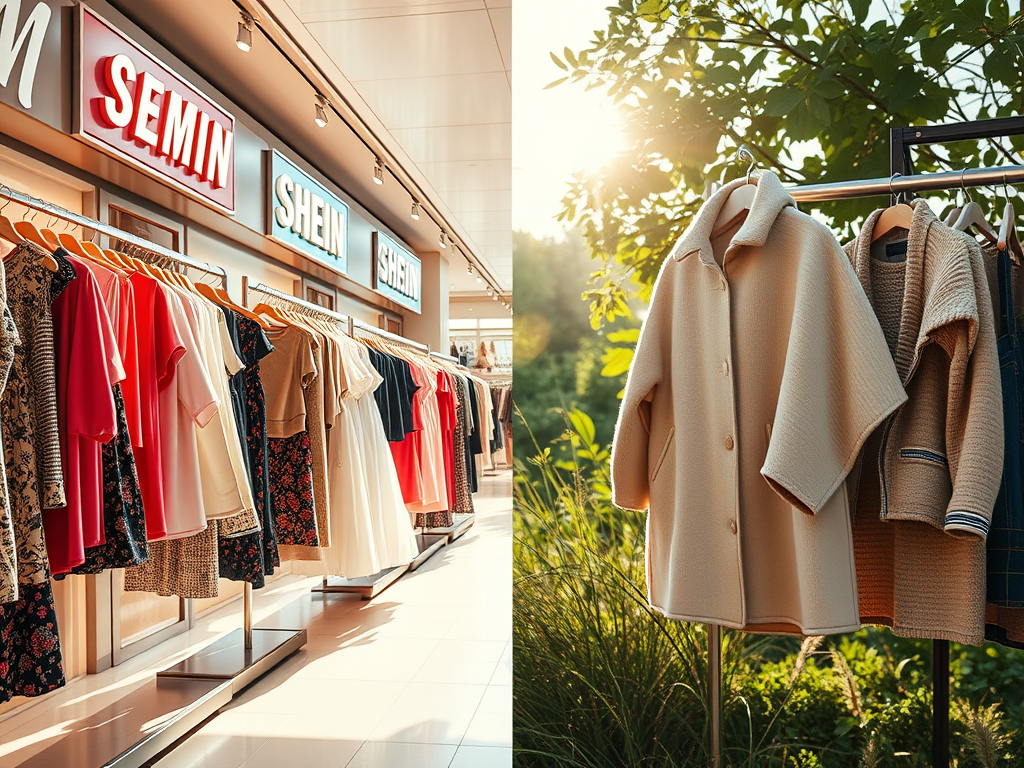


In today’s consumer market, Fast Fashion and Sustainable Fashion represent two opposing forces. Fast Fashion thrives on speed, low cost, and trend-driven designs, while Sustainable Fashion focuses on eco-friendliness, durability, and responsible consumption. So, as consumers, how should we make our choices? As a responsible apparel supplier, HORIZON NOVA is here to break down the impact of these two models and offer insights into a more sustainable future.
What Is Fast Fashion?
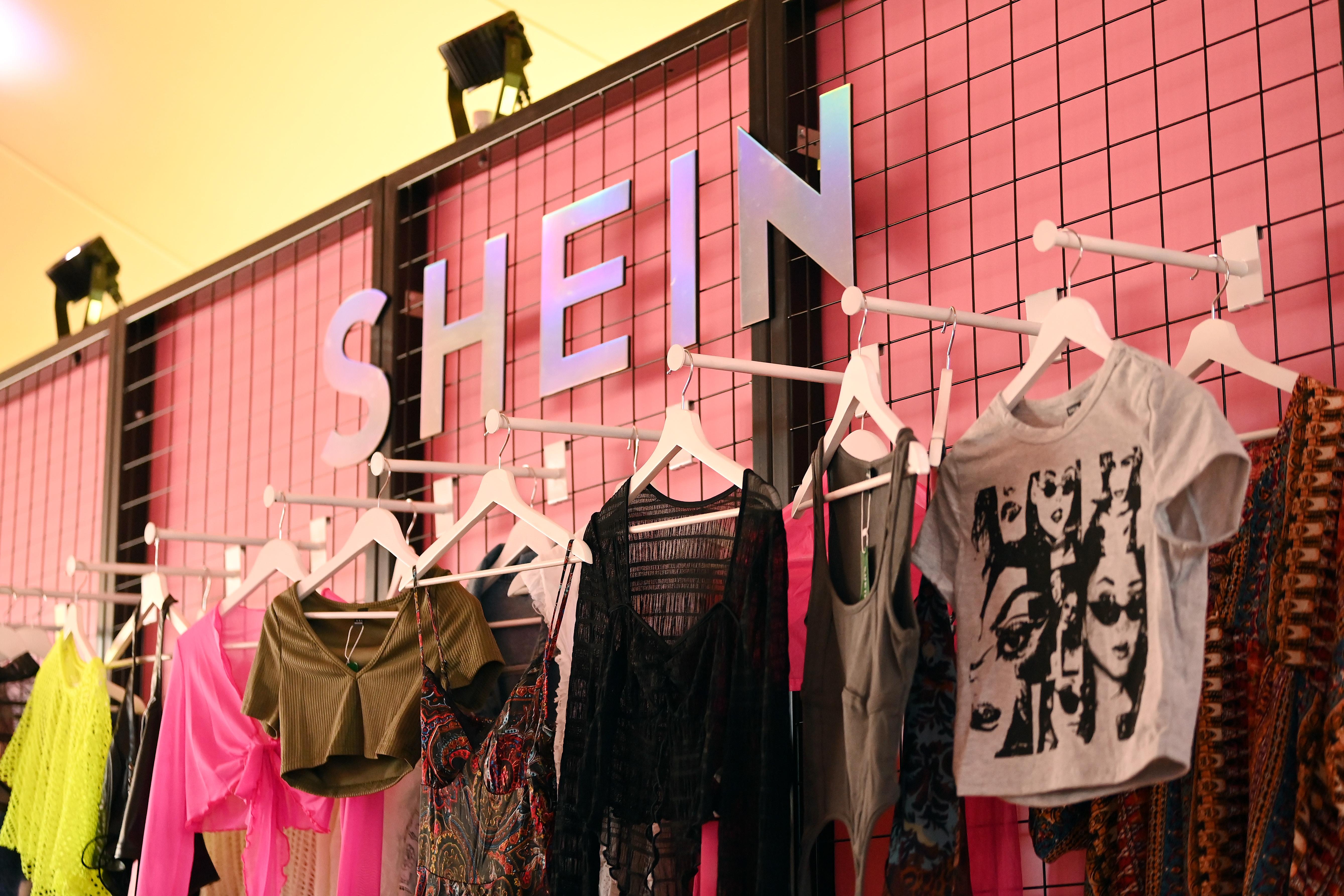
Fast Fashion is a high-efficiency production model where brands manufacture clothing at low costs and release new collections at an extremely fast pace. Major players include H&M, Zara, and SHEIN.
Key Characteristics of Fast Fashion:
✅ Affordable Prices – Consumers can purchase trendy clothing at a fraction of the cost.
✅ Frequent New Releases – New designs hit the shelves every week, keeping up with changing trends.
✅ Rapid Production Cycles – From design to store shelves in just a few weeks, much faster than traditional fashion brands.
The Hidden Costs of Fast Fashion:
❌ Environmental Pollution – Mass production depletes water resources, pollutes ecosystems with chemical dyes, and generates excessive textile waste.
❌ Labor Exploitation – Many factories are located in low-wage countries, where workers endure poor working conditions.
❌ Low Quality & High Turnover – Clothes are made from cheap materials and often discarded after a few wears, contributing to growing landfills.
According to the United Nations, the fashion industry is responsible for 10% of global carbon emissions, surpassing the emissions from aviation and maritime industries combined. Fast Fashion’s production model significantly exacerbates this issue.
What Is Sustainable Fashion?
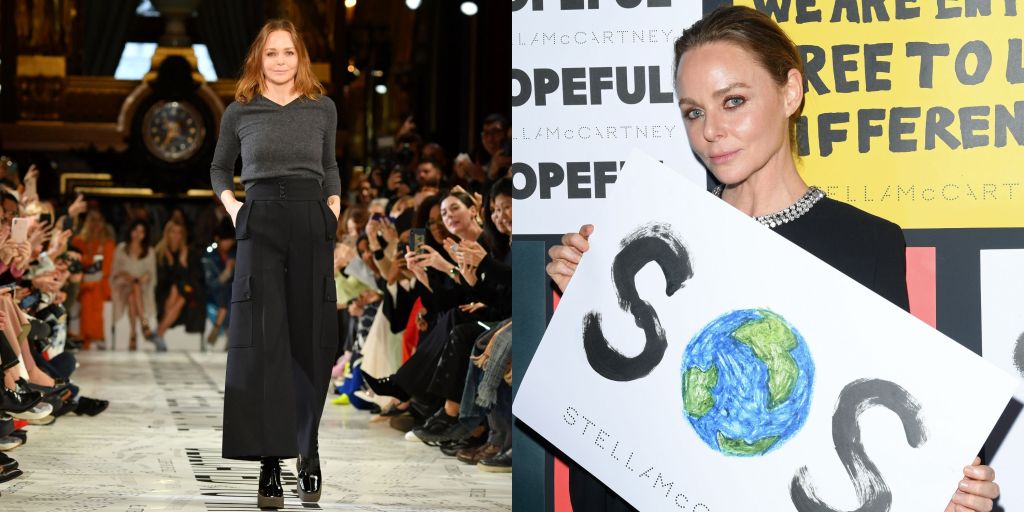
Sustainable Fashion focuses on minimizing environmental impact while ensuring ethical labor practices and economic responsibility. Brands like Patagonia and Stella McCartney are leading the shift toward a more sustainable fashion industry.
Key Characteristics of Sustainable Fashion:
✅ Eco-Friendly Materials – Uses organic cotton, recycled polyester, and biodegradable fibers like Tencel™.
✅ Reduced Carbon Footprint – Implements low-emission production methods to minimize waste and pollution.
✅ Durability & Timeless Design – Focuses on high-quality, long-lasting pieces that reduce the need for frequent replacements.
✅ Fair Trade & Ethical Labor – Ensures workers are paid fairly and provided with safe working conditions.
Challenges of Sustainable Fashion:
❌ Higher Prices – Sustainable fashion brands often have higher production costs, making their products more expensive than fast fashion.
❌ Limited Variety – Unlike fast fashion, sustainable brands prioritize quality over quantity, meaning fewer new styles every season.
However, sustainable fashion is more than just a trend—it is becoming the new industry standard. As consumer demand for ethical and eco-friendly products increases, brands that fail to adapt will struggle to survive.
How Does HORIZON NOVA Promote True Sustainable Fashion?
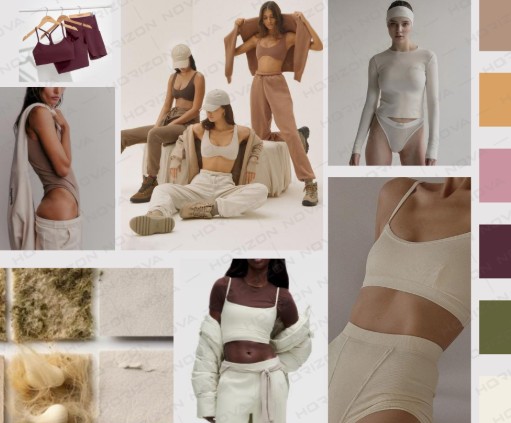
At HORIZON NOVA, we are committed to producing high-quality apparel responsibly. Our mission is to challenge the existing fashion model and drive the industry toward genuine Eco Fashion.
Our Core Values:
🌱 Sustainable Materials – We use GRS-certified recycled fabrics, OEKO-TEX® non-toxic dyes, and low-impact production technologies.
🌍 Minimizing Waste – Our Made-to-Order model helps reduce excess inventory, preventing unsold products from ending up in landfills.
👕 Long-Lasting Quality – Our performance wear is designed for durability, resisting wear and tear to extend its lifespan and reduce overconsumption.
🤝 Ethical Supply Chain – We only collaborate with ethically certified manufacturers, ensuring workers receive fair wages and safe working conditions.
This is not just “green marketing”—it is a long-term industry transformation. We invite consumers to join us in making real sustainable fashion a reality and shaping a better future for our planet.
How Should Consumers Make Their Choice?
💡 Short-Term vs. Long-Term Impact – Fast Fashion offers instant gratification, but Sustainable Fashion provides better long-term value.
💡 Price vs. True Value – While Fast Fashion is cheaper upfront, high-quality sustainable clothing lasts longer, making it a better investment over time.
💡 Convenience vs. Environmental Responsibility – Consumers have the power to support brands that prioritize the planet over profit.
Fast Fashion’s affordability and accessibility are tempting, but its environmental and social costs are severe. In contrast, Sustainable Fashion represents a more responsible choice that leads us toward a better future.
Conclusion—Join HORIZON NOVA in Driving Change
The fashion industry is at a turning point, and consumer choices will shape its future. At HORIZON NOVA, we are not just an apparel supplier—we are pioneers of Sustainable Fashion. We provide high-quality, eco-friendly, and durable apparel, ensuring that every purchase contributes positively to the environment.
📢 What are your thoughts on Fast Fashion vs. Sustainable Fashion? Share your opinions in the comments and join the movement for a better fashion industry!



















回覆給How to Build a Sustainable & Eco-Friendly Wardrobe – Perfectly Sustainable 取消回覆