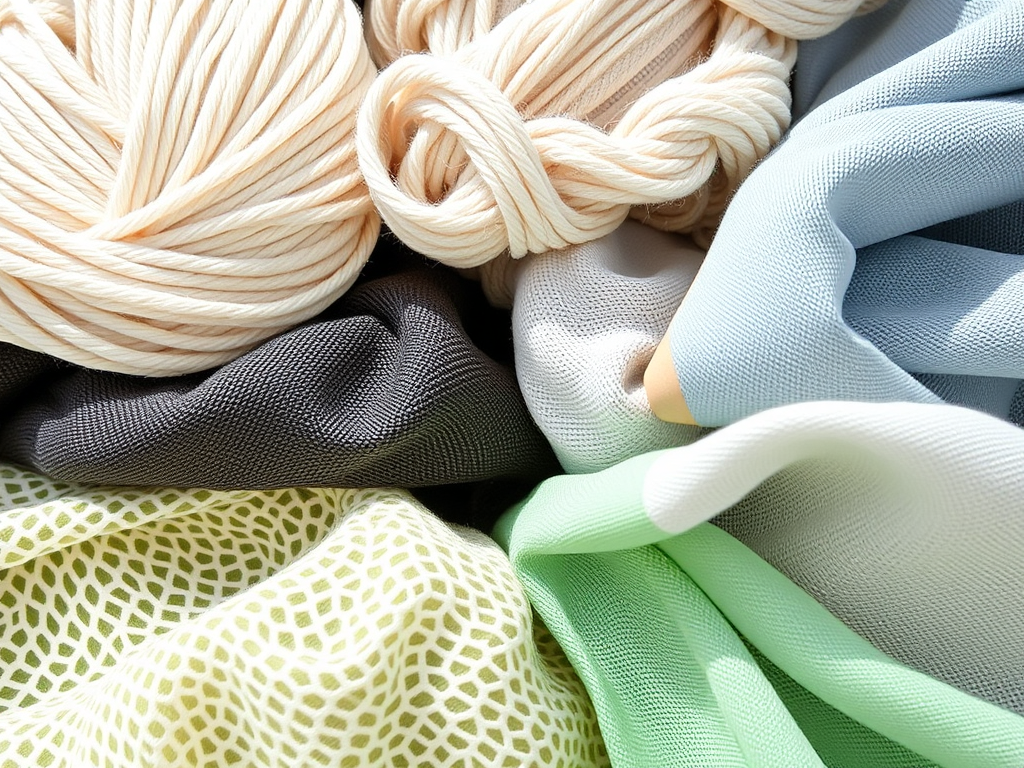

The garment manufacturing process involves multiple steps, from initial design to final distribution. Each stage is crucial in ensuring high-quality production.
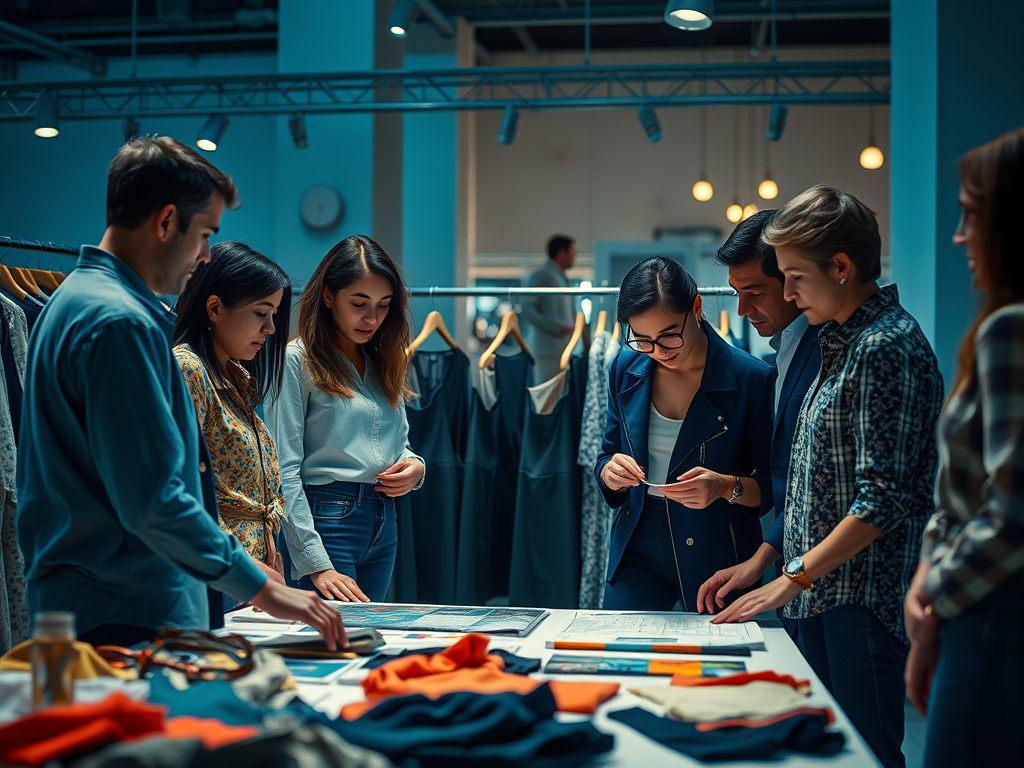
Design & Concept Development
The process begins with fashion designers or brands creating sketches and digital renderings of their designs. They consider fabric types, color palettes, and garment functionality. Mood boards and market research also help align the designs with consumer preferences and trends.
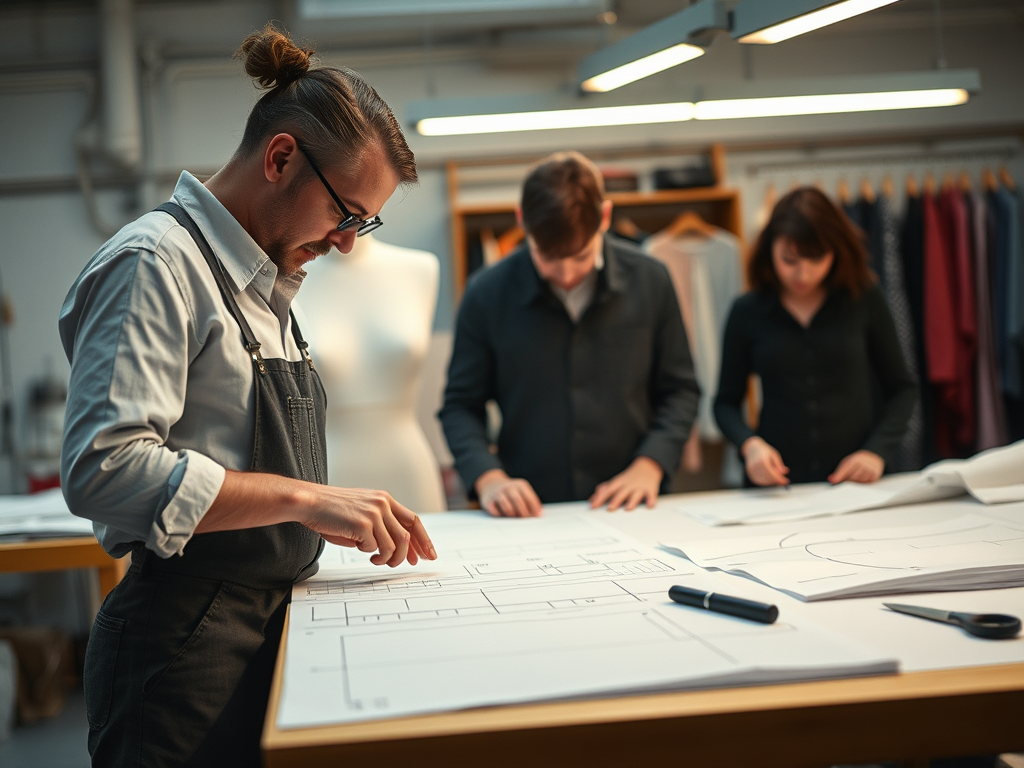
Pattern Making & Prototyping
Once the design is finalized, pattern makers create templates that define the garment’s shape and structure. These patterns are then used to develop prototypes (samples) to check fit, proportions, and aesthetics. Adjustments are made before mass production.

Fabric Selection & Sourcing
Selecting the right fabric is critical to a garment’s performance. Factors such as texture, breathability, weight, durability, and cost are considered. Sustainable sourcing and material testing also play a key role, especially for performance wear.
Cutting & Marking
After fabric selection, the material is cut according to the patterns. This step includes marking (arranging patterns on the fabric to reduce waste), layering (stacking multiple layers for efficiency), and precise cutting using manual or automated methods.


Sewing & Assembly
The cut fabric pieces are sewn together using specialized machines and techniques, depending on the garment type. Stitching quality, seam strength, and finishing details like buttons and zippers are carefully executed to maintain consistency and durability.
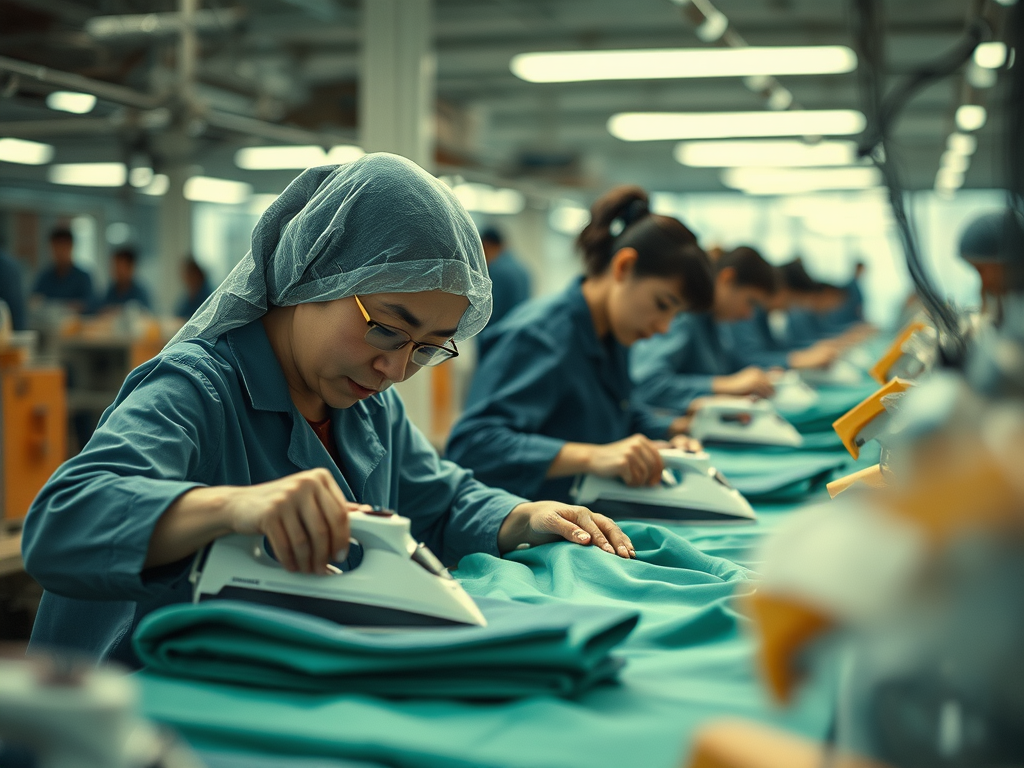
Quality Control & Finishing
Each garment undergoes a rigorous quality check to inspect stitching, measurements, and fabric defects. Finishing touches such as ironing, labeling, and minor repairs are done to ensure a polished final product before packaging.

Packaging & Distribution
After passing quality control, garments are packed according to client specifications. They are then distributed to retailers, brands, or directly to consumers through various sales channels. Logistics management ensures timely and efficient delivery.