

FOB, FCA, and EXW Trade Terms Explained
Understanding international trade terms is crucial for businesses involved in global commerce. This guide explains three common Incoterms: FOB (Free on Board), FCA (Free Carrier), and EXW (Ex Works), helping buyers and sellers choose the best shipping method based on cost, responsibility, and risk allocation.
FOB (Free on Board) – Ideal for Sea Freight
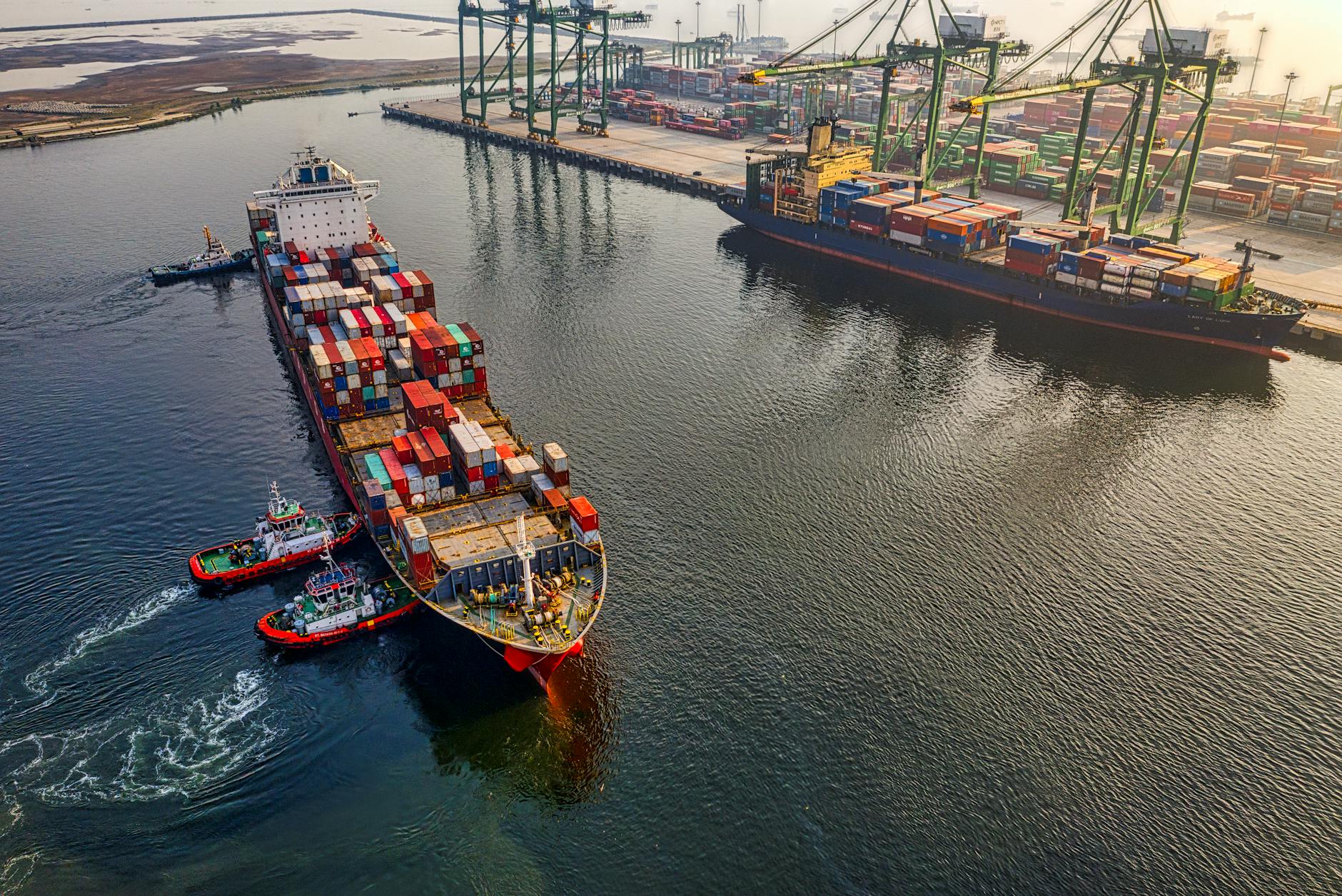
FOB is a commonly used shipping term for sea freight. Under FOB terms:
- The seller is responsible for transporting the goods to the designated port, covering export duties, and loading them onto the buyer’s vessel.
- Once the goods are on board the ship, the buyer assumes all risks and costs, including ocean freight, insurance, and customs clearance.
FOB Process Flow:
- Buyer and seller agree on FOB terms, specifying the loading port.
- Seller prepares and packages the goods, handles export customs clearance.
- Seller delivers goods to the port and loads them onto the buyer’s ship.
- Responsibility shifts to the buyer once goods are safely on board.
- Buyer manages international freight, import clearance, and final delivery.
FCA (Free Carrier) – Best for Air Freight & Inland Transport
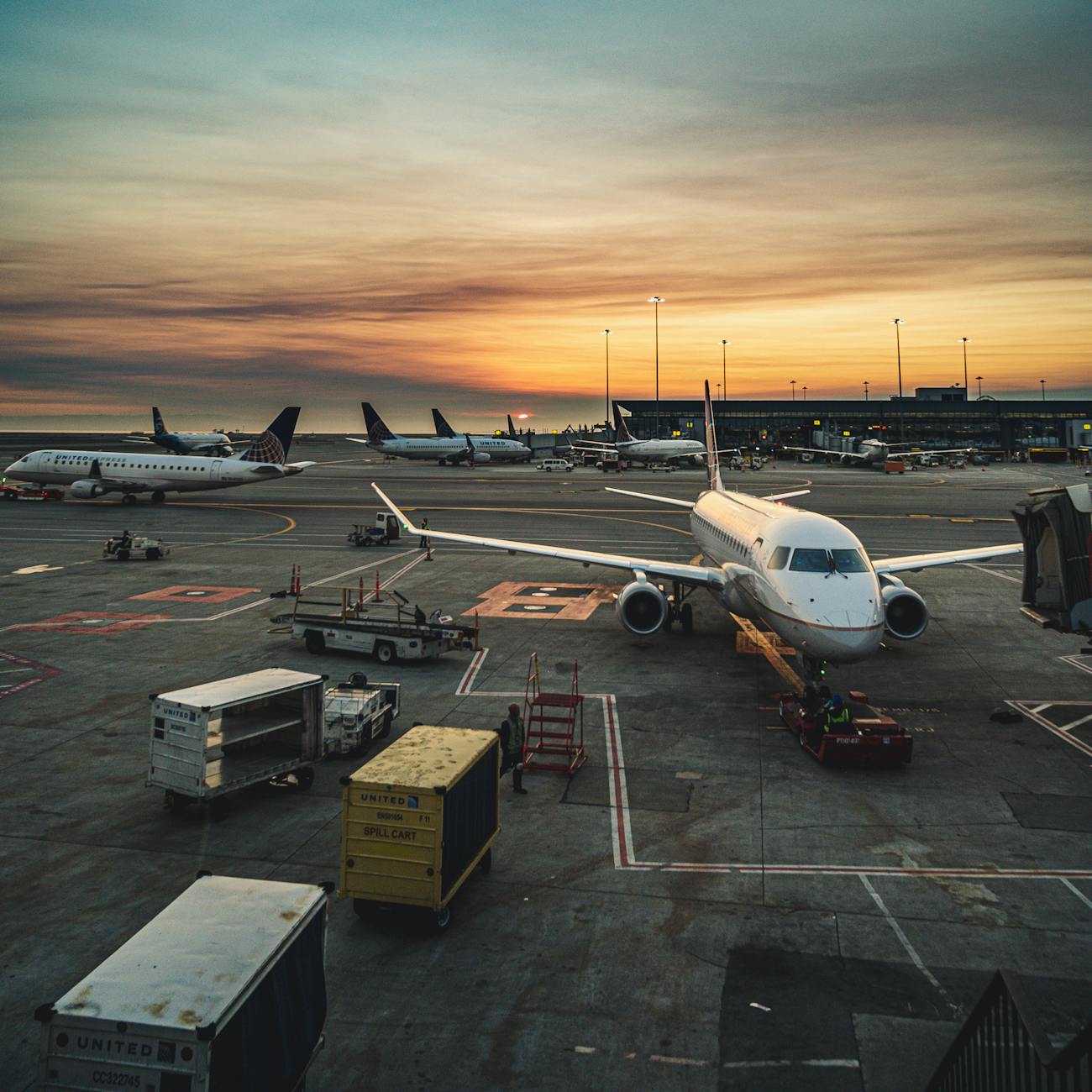
FCA is preferred when shipping via air freight or inland transport. Under FCA terms:
- The seller delivers goods to a carrier or a location designated by the buyer (such as an airport, trucking hub, or freight forwarder’s warehouse).
- Once the goods are handed over to the carrier, the buyer assumes responsibility for transport, customs clearance, and final delivery.
FCA Process Flow:
- Buyer and seller agree on FCA terms, specifying the handover location.
- Seller prepares goods and handles export customs clearance.
- Seller delivers goods to the agreed location (airport, freight forwarder, etc.).
- Buyer assumes responsibility for international transport and import clearance.
- Buyer arranges final delivery to the destination.
EXW (Ex Works) – Buyers can freely control all processes

EXW is the most flexible shipping term for buyers, and almost all processes are controlled by buyers. Under EXW terms:
- The seller makes goods available at their premises (factory or warehouse).
- The buyer handles all logistics, including export clearance, shipping, customs duties, and final delivery.
EXW Process Flow:
- Seller prepares goods for pickup at their warehouse or factory.
- Buyer arranges transportation, including export documentation and duties.
- Buyer assumes all costs and risks from the seller’s location to the final destination.
Comparison of FOB, FCA, and EXW
| Trade Term | Best for | Seller’s Responsibility | Buyer’s Responsibility |
|---|---|---|---|
| FOB | Sea Freight | Transport to port, export clearance, loading on ship | Freight, insurance, import duties, final delivery |
| FCA | Air & Land Transport | Transport to agreed location, export clearance | Freight, insurance, import duties, final delivery |
| EXW | Any transport | Making goods available at the factory | All costs & logistics from the seller’s location to final destination |
Which Trade Term Should You Choose?
- Choose FOB if you are shipping large volumes via sea and want the seller to handle port-related logistics.
- Choose FCA if you prefer air or inland freight and want flexibility in choosing your carrier.
- Choose EXW if you want full control over the shipping process but are prepared to handle all logistics and costs.
