

In today’s global shift toward sustainable fashion, fabric traceability has become a top priority for many European fashion brands. It’s not just about being eco-friendly — it’s about transparency, accountability, and building lasting brand trust.
What Is Fabric Traceability?

Fabric traceability refers to the ability to track a material’s journey from its raw origin through production and finishing. Increasingly, European retailers and consumers demand products that meet criteria of transparency, ethics, and certified sustainability.
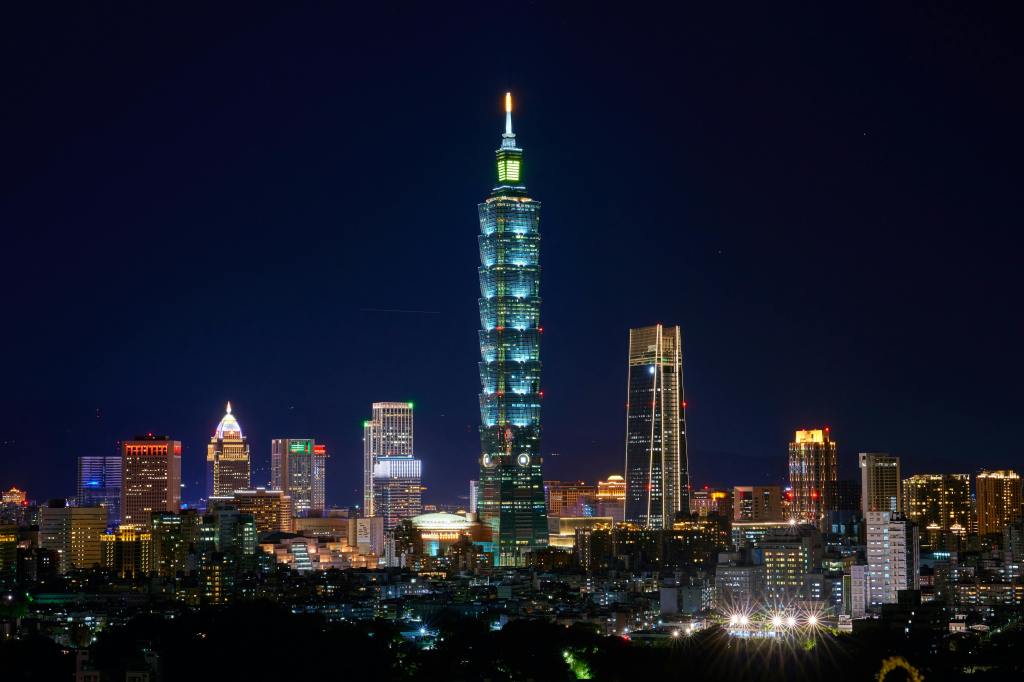
Taiwan’s Textile Strength: Quality and Transparency
Taiwan has emerged as a leader in traceable textile manufacturing. From recycled polyester chips to dyeing and finishing, Taiwan’s supply chain offers top-tier traceability. Examples include:
- Zhang Yin (Everlight Chemical) – Offers GRS-certified recycled polyester textiles.
- Far Eastern New Century – Implements a carbon footprint traceability system for the entire fabric lifecycle.
- Nam Liong Group – Holds certifications such as OEKO-TEX®, bluesign®, and ISO 14001, providing full fabric transparency.
Why Does This Matter to Global Brands?

International brands like Lululemon, Patagonia, Nike, and H&M demand full traceability reports and sustainable certifications from suppliers. Their focus is shifting from cost to environmental and social value.
Choosing a Taiwan-based supplier with advanced traceability systems allows fashion brands to meet regulatory demands and gain favor in the highly competitive EU and North American markets.


















Leave a comment