

In today’s sustainable fashion movement, Ethical Fashion and Eco Fashion are often used interchangeably, but they focus on different aspects. When choosing performance wear, it’s crucial to consider sustainable materials, production processes, and labor rights to ensure that your choice benefits both the planet and society.
Key Differences Between Ethical Fashion and Eco Fashion
Many brands market themselves as “sustainable fashion,” but Ethical Fashion and Eco Fashion have distinct core principles:
✅ Ethical Fashion
Focuses on fair labor practices, humane working conditions, and fair trade. Choosing Fair Trade Certified clothing ensures that workers receive fair wages and work in safe environments.
✅ Eco Fashion
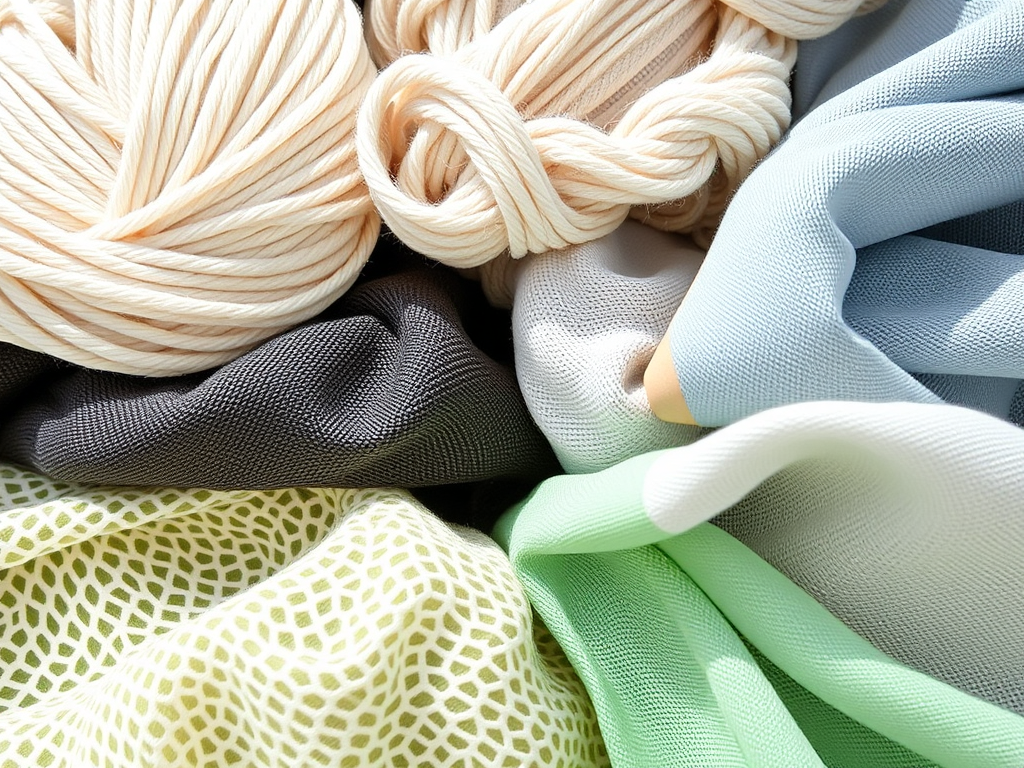
Emphasizes environmental impact by using recycled materials, eco-friendly dyes, and carbon footprint reduction. Brands in this category may use recycled polyester, organic cotton, or other sustainable fabrics to minimize pollution.
➡ Conclusion: Ethical and Eco Fashion are not mutually exclusive. When choosing brands, evaluate their transparency and certifications to determine if they genuinely align with sustainability principles.
How to Choose Truly Sustainable Performance Wear?
When buying performance wear, consider the following factors to assess whether a brand aligns with Ethical Fashion or Eco Fashion values:
🔹 Check Materials and Certifications
- GRS (Global Recycled Standard): Ensures garments use recycled materials like recycled nylon or polyester.
- GOTS (Global Organic Textile Standard): Certifies organic cotton, ensuring no pesticides are used during cultivation.
- bluesign® Certification: Guarantees that textiles meet environmental standards by reducing water pollution and harmful chemicals.
🔹 Look for Brand Transparency
- Does the brand disclose its supply chain and production process?
- Does it provide factory audit reports or hold certifications like B Corporation?
🔹 Choose Durable, Multi-Functional Apparel
- Fast fashion “sustainable collections” may not be truly eco-friendly. Instead, opt for high-quality, timeless designs that last longer to reduce overconsumption.
Is H&M’s Conscious Collection Worth Buying?
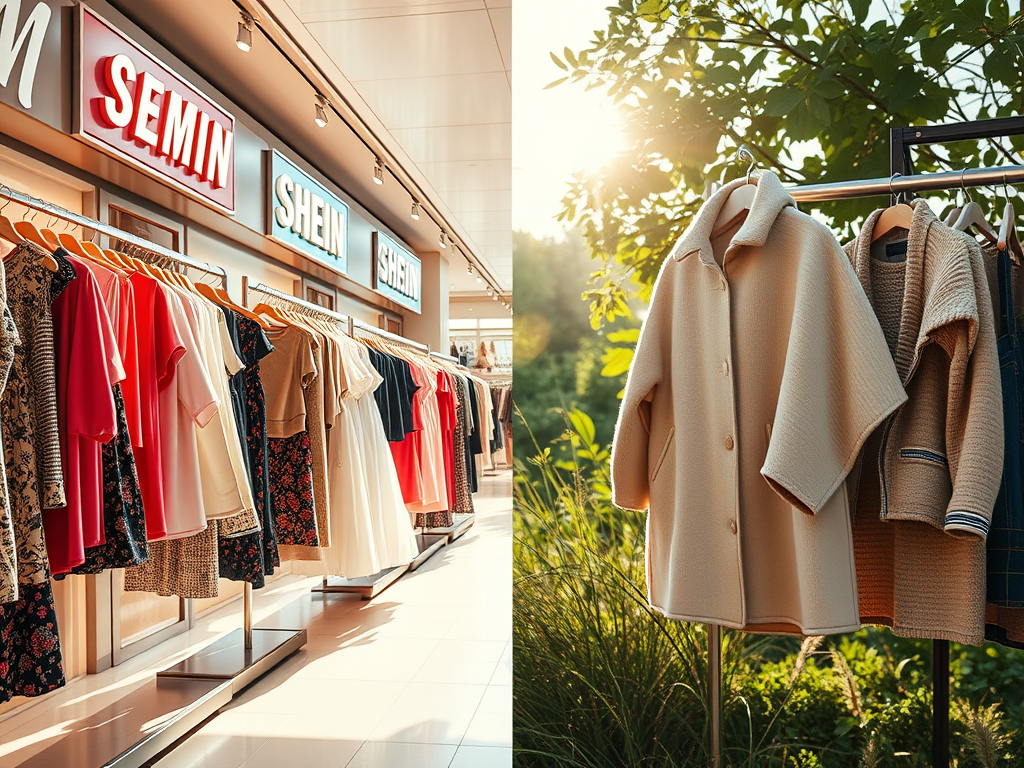
H&M’s Conscious Collection promotes “sustainable fashion” by using recycled polyester and Tencel™. However, as part of the fast fashion industry, the brand produces large quantities of clothing every year, leading to waste. While it is a step towards sustainability, it still falls short when compared to truly Ethical or Eco Fashion brands.
Best Sustainable Performance Wear Brands

💚 Patagonia
Renowned for its commitment to environmental responsibility and fair trade, offering garment recycling programs.

💚 Tentree
Plants 10 trees for every purchase, using sustainable materials like Tencel™ and organic cotton.

💚 PANGAIA
Innovates with sustainable materials like seaweed fiber and plant-based dyes.
How to Make the Best Choice?
Ethical Fashion prioritizes labor rights, while Eco Fashion focuses on environmental sustainability—both are essential. When choosing performance wear, opt for transparent brands that use sustainable materials and avoid fast fashion models to ensure your purchase is truly earth-friendly.
📢 What’s your take on Ethical Fashion vs. Eco Fashion? Share your thoughts in the comments!


















Leave a comment