

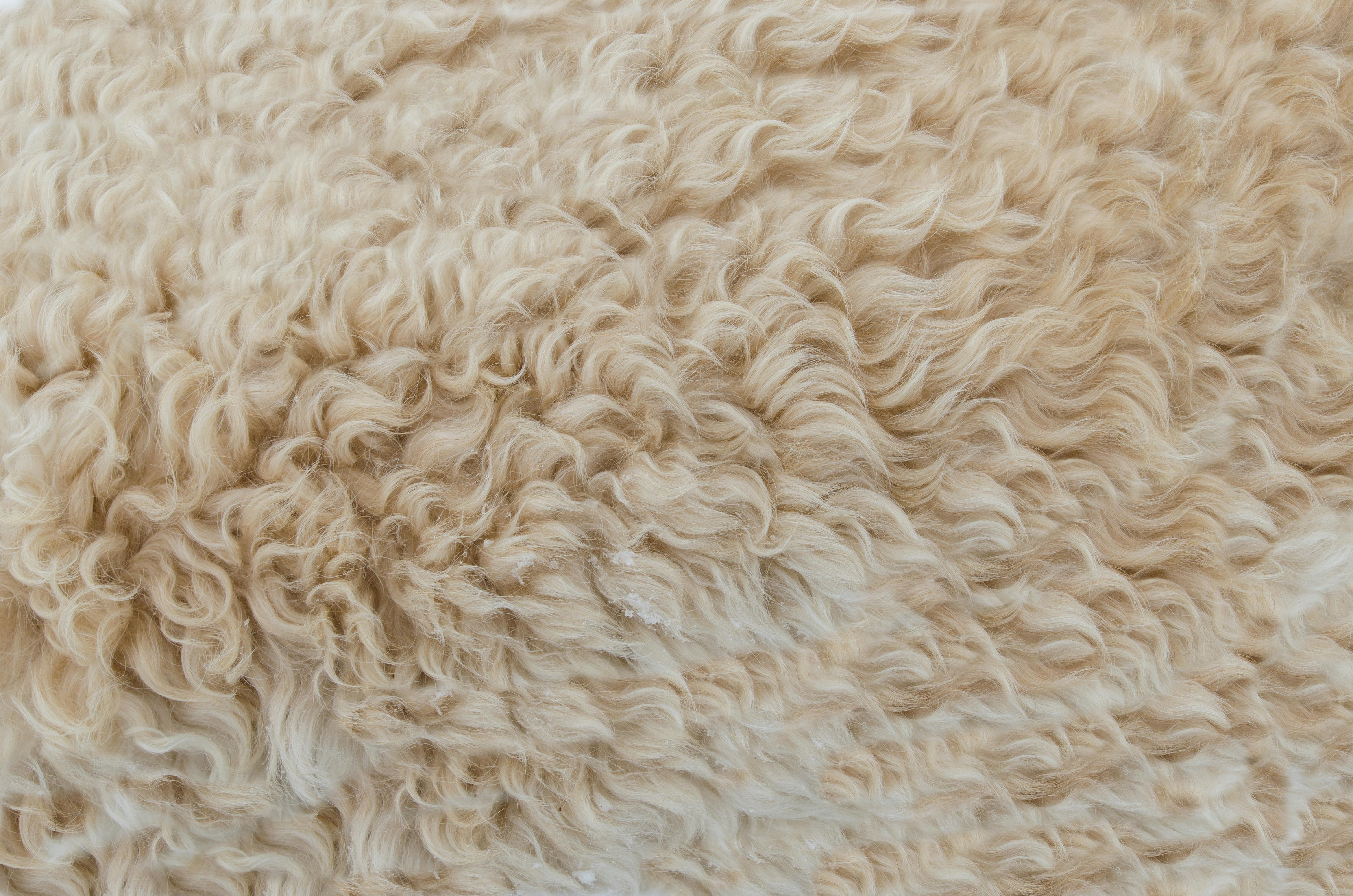
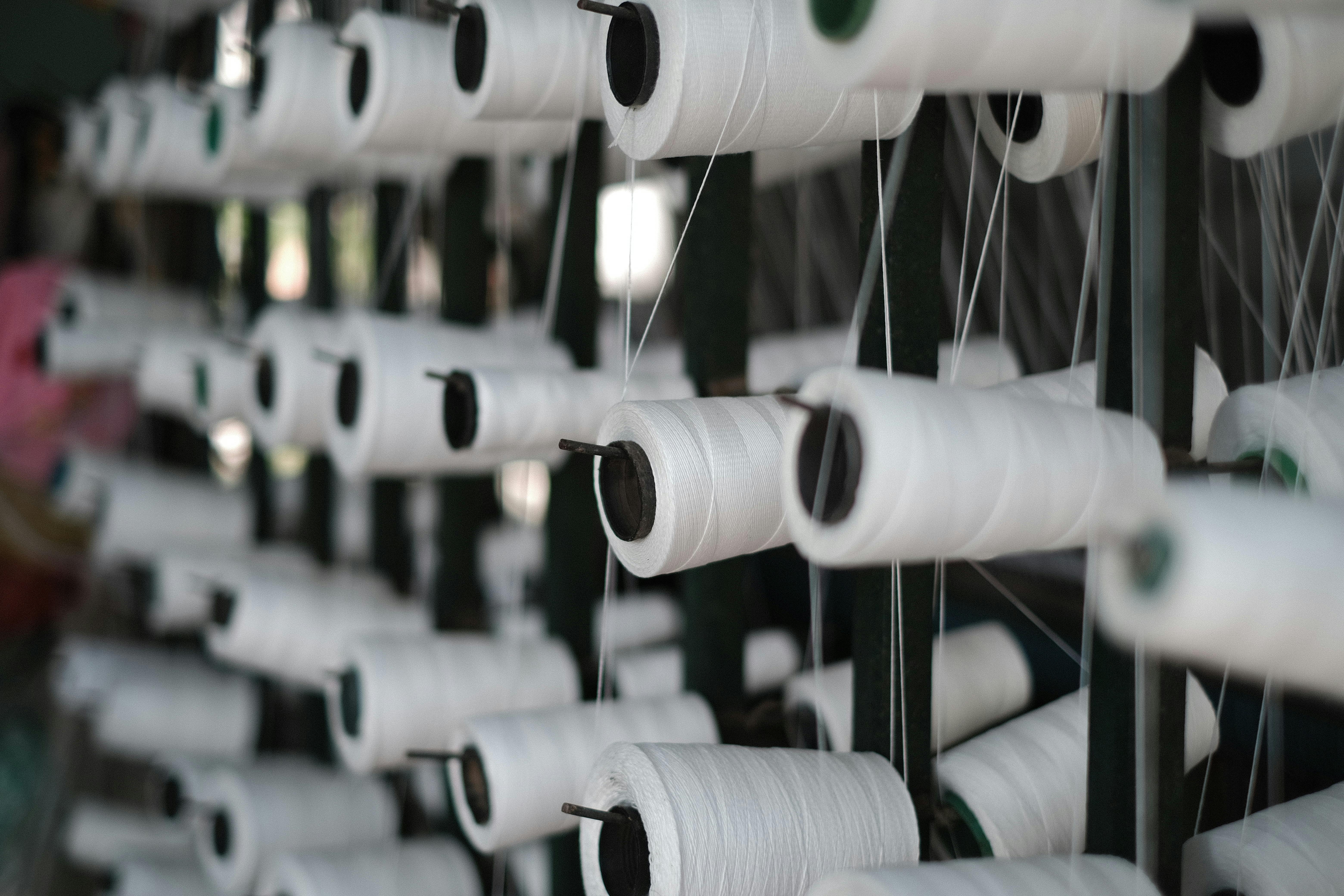
When choosing fabrics for performance apparel, one of the biggest decisions is whether to use natural fibers or synthetic fibers. Both have their pros and cons, making them suitable for different types of sports, outdoor activities, and daily wear. In this article, we will compare cotton, wool, polyester, and nylon, helping you understand which fiber is best suited for functional clothing.
Natural Fibers: Comfortable and Breathable, but with Limited Performance Features
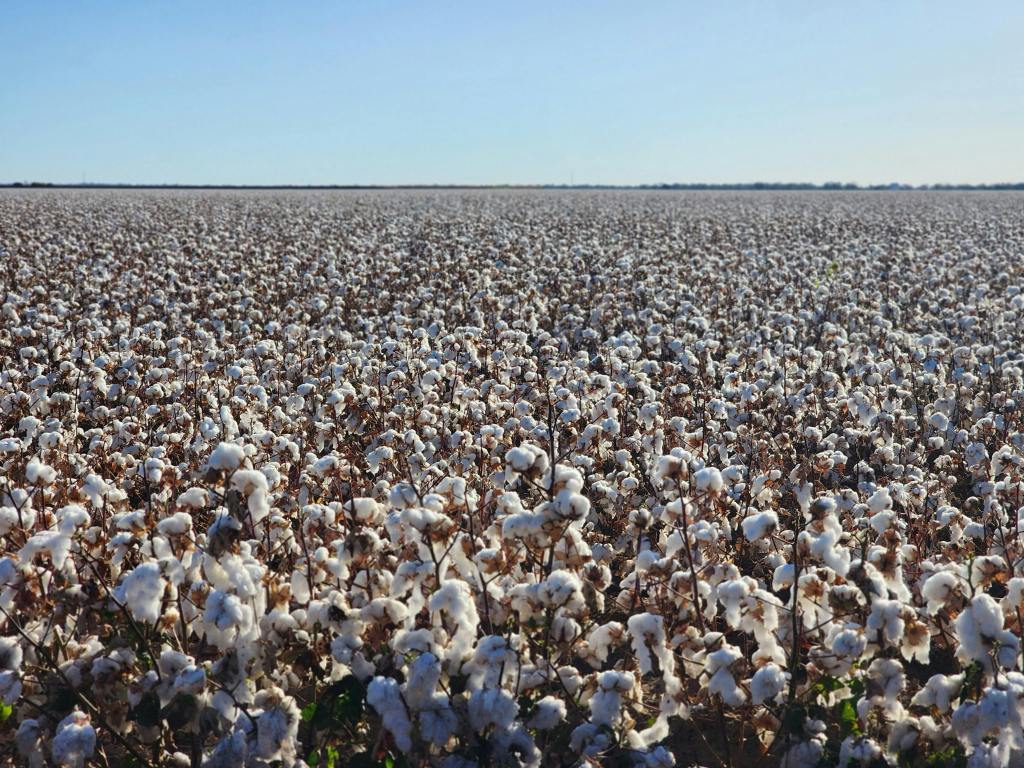
Cotton
✅ Advantages
- Highly breathable and soft, gentle on the skin
- Excellent moisture absorption
- Natural and biodegradable
❌ Disadvantages
- Retains moisture and dries slowly, feeling heavy after sweating
- Absorbs sweat but does not wick it away, leading to discomfort during exercise
- Wrinkles easily and has lower durability
🔹 Best Use Cases: Casual wear, everyday T-shirts, light exercise (e.g., yoga, walking)
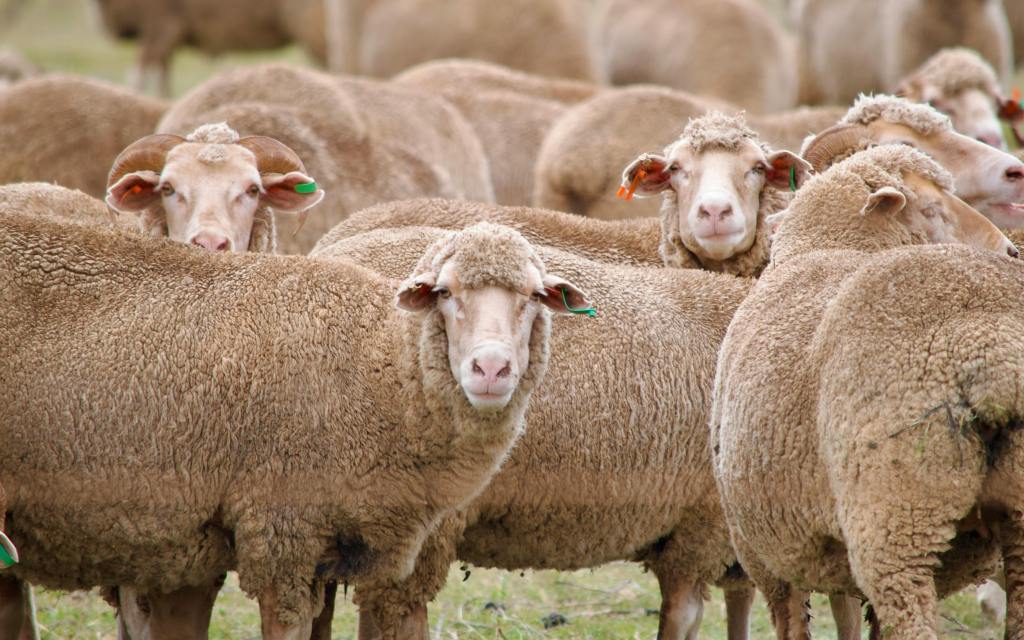
Wool (Especially Merino Wool)
✅ Advantages
- Superior warmth, ideal for cold weather
- Breathable and moisture-wicking, keeping the body dry
- Naturally antibacterial, reducing odor buildup
❌ Disadvantages
- Requires special care and washing
- Some wool fabrics can feel itchy on the skin
- More expensive than synthetic fibers
🔹 Best Use Cases: Hiking, skiing, winter sports, premium base layers
Synthetic Fibers: Lightweight, Durable, and High-Performance
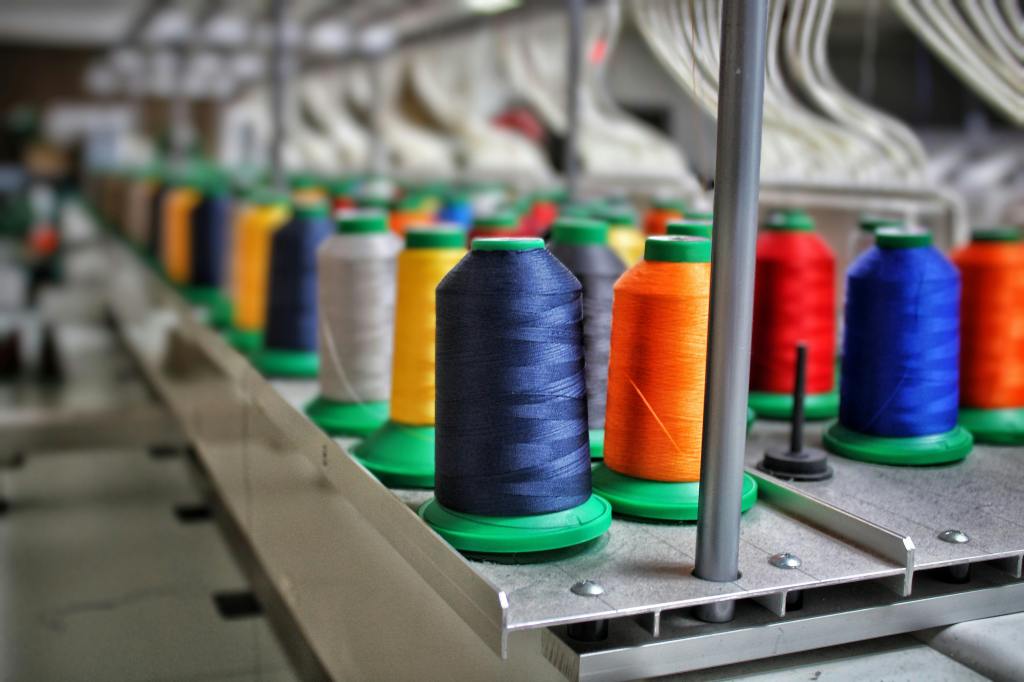
Polyester
✅ Advantages
- Quick-drying and moisture-wicking, ideal for intense workouts
- Lightweight and highly durable, resistant to wrinkles
- Can be engineered for UV protection, water resistance, and wind resistance
❌ Disadvantages
- Less breathable, can feel hot after prolonged wear
- Low moisture absorption; while it dries fast, it may still feel damp
- Prone to static electricity, attracting dust and odors
🔹 Best Use Cases: Running, gym workouts, soccer, basketball, high-intensity activities

Nylon
✅ Advantages
- Extremely durable and elastic, great for outdoor and tight-fitting sportswear
- Low moisture absorption, quick-drying
- Smooth and soft texture, more comfortable than polyester
❌ Disadvantages
- Average breathability, can feel hot
- Prone to losing elasticity over time
- Requires special treatments for UV resistance and water repellency
🔹 Best Use Cases: Yoga wear, swimwear, hiking gear, surfing apparel
Which Fabric Is Best for Performance Wear?
| Fiber Type | Breathability | Moisture-Wicking | Drying Speed | Durability | Warmth | Best Use Cases |
|---|---|---|---|---|---|---|
| Cotton | ⭐⭐⭐⭐ | ⭐⭐⭐ | ⭐ | ⭐⭐ | ⭐ | Casual wear, light workouts |
| Wool | ⭐⭐⭐⭐ | ⭐⭐⭐ | ⭐⭐ | ⭐⭐⭐ | ⭐⭐⭐⭐ | Hiking, winter sports |
| Polyester | ⭐⭐ | ⭐⭐⭐ | ⭐⭐⭐⭐ | ⭐⭐⭐⭐ | ⭐⭐ | High-intensity sports |
| Nylon | ⭐⭐ | ⭐⭐ | ⭐⭐⭐ | ⭐⭐⭐⭐ | ⭐⭐ | Tight-fit sportswear, outdoor gear |
✔ For casual comfort, cotton and wool are the best choices
✔ For high-performance apparel, polyester and nylon are ideal
Many premium performance apparel brands (such as Nike, adidas, and Lululemon) use polyester and nylon, often combined with Taiwanese textile innovations such as cooling technology, UV protection, and antibacterial treatments to enhance comfort and functionality. This is why Taiwan has become a leading supplier of performance fabrics for top global brands.
When selecting performance apparel, understanding these fabric properties will help you make the best choice for your needs!
Natural and synthetic fibers each have their strengths, making them suitable for different types of functional clothing. With this knowledge, you can make more informed choices for your apparel or brand, ensuring high-quality performance wear that meets modern demands.



















Leave a comment